
Lawn Mowing Services Prices near Me: Fair Rates in Columbia
When you search lawn mowing services prices near me , you are asking what a local crew should charge per visit to mow, trim, edge, and blow off a residential lawn. Most standard yards run about $30 to $85 per visit. Small lots fall below that range, and large, sloped, or overgrown properties land well above it.
That range only helps if you know what sits behind it. Lot size, grass type, mowing frequency, and the list of tasks in each visit can swing a quote by 50% or more. This article explains why local prices matter, how to compare quotes fairly, what pushes a price up or down, and what a full season of mowing adds up to.
At Sparta Lawn Care, we have mowed lawns across Columbia and the Midlands for more than 20 years, so the examples here reflect how South Carolina turf behaves. Use the numbers as planning ranges, then check them against real quotes for your own property.
Why local mowing prices matter before you hire
Knowing local mowing prices protects you from two mistakes: paying too much for a basic cut and hiring a bargain provider who cuts corners. A mowing price is small per visit, but you pay it dozens of times a year.
What a typical visit costs
Most homeowners pay $30 to $85 per visit for weekly mowing on a standard, accessible yard. Some sources quote up to $200 for large, steep, or neglected properties. The table below gives planning ranges by lot size. They are not quotes, and local rates can differ.
| Mowable lawn size | Planning range per visit | Typical property |
|---|---|---|
| Up to 1/8 acre | $30 to $45 | Townhome or patio-home lot |
| About 1/4 acre | $40 to $60 | Common suburban lot |
| About 1/2 acre | $55 to $85 | Larger suburban lot |
| 1 acre or more | $90 to $150+ | Often quoted by the job or the hour |
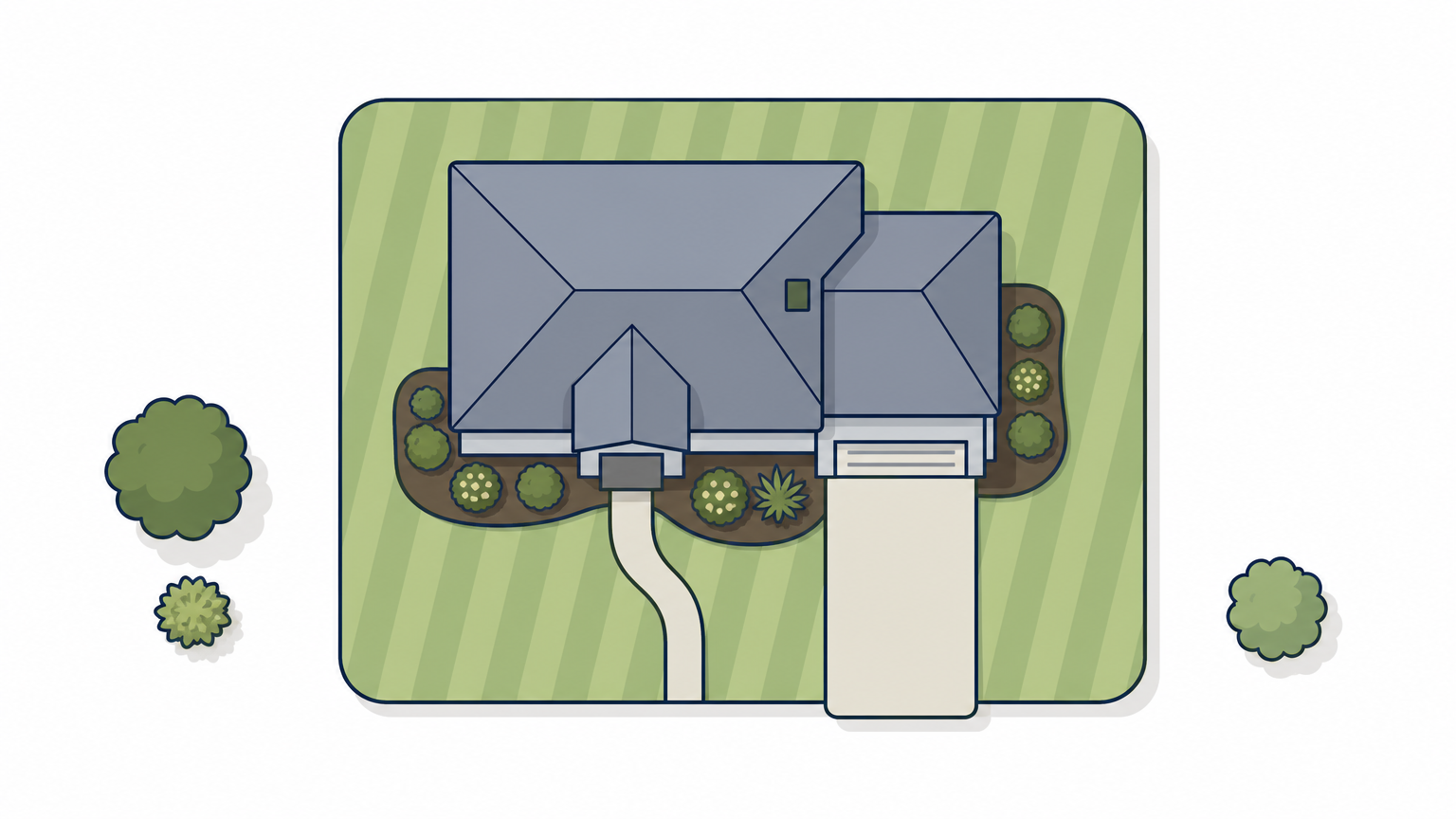
Mowable area is the grass itself, not the whole lot. The house, driveway, and planting beds do not count.
What a bad quote costs you
Overpaying adds up quickly. A $20 gap per visit across roughly 30 visits is $600 a year for the same cut. Underpaying has a cost too, because a price far below the others usually means something is missing.
A neighbor's teenager may charge less, and that works fine for a small yard. A business quote that undercuts everyone else often means no insurance , skipped edging, or a rotating crew that never learns your property. If an uninsured worker damages a window or gets hurt, you can be exposed.
A fair price is the one that matches your scope, not the lowest number you find.
How to compare lawn mowing quotes near you
To compare quotes, give every provider the same job description and the same lot size, then compare per-visit prices and season totals side by side. Mismatched scopes are the main reason quotes look so different.
Collect three quotes that match
Follow these steps and the numbers become comparable:
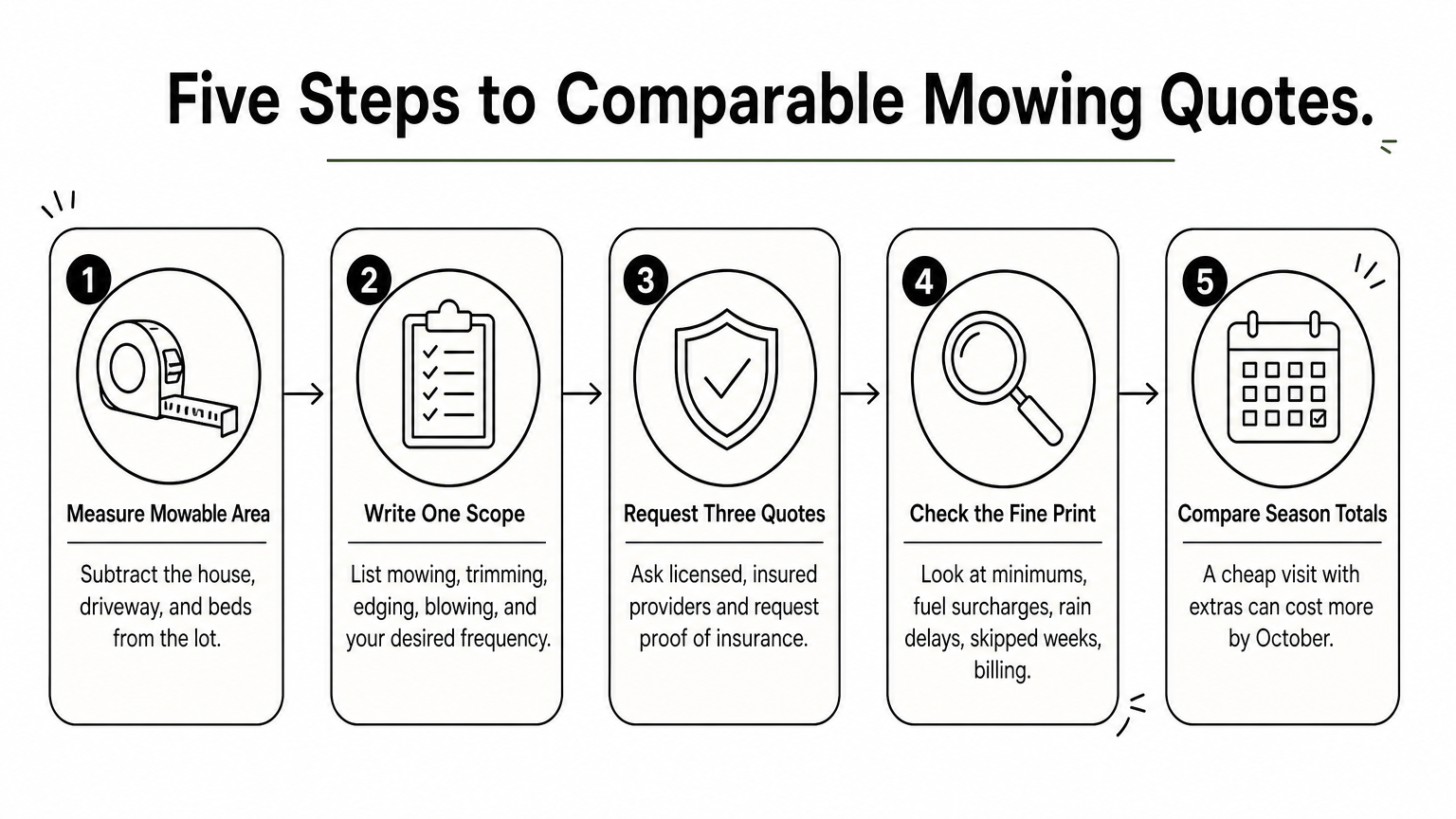
- Measure your mowable area. Your county property records or the measure tool in Google Earth give you a close figure. Subtract the house, driveway, and beds.
- Write one scope. List mowing, string trimming, edging along walks and drives, and blowing clippings off hard surfaces. Add your desired frequency.
- Ask three licensed, insured providers for quotes. Ask for proof of insurance.
- Ask about the fine print. Check minimum charges, fuel surcharges, rain delays, skipped weeks, and billing method.
- Compare the season total, not just the visit price. A cheap visit with extras can cost more by October.
If one quote sits far below the rest, ask which task it leaves out. The answer usually explains the gap.
Flat rate or hourly pricing
A flat per-visit rate is easier to budget and rewards a fast crew. Hourly pricing makes sense for very large or irregular properties, but it shifts the risk of a slow job onto you. At $60 an hour, a three-hour job costs $180. Ask whether that hourly rate covers one worker or a crew of two or three, because crew size changes how much ground gets covered.
Ask every provider to price the same scope, or the quotes tell you nothing.
What drives the price of a mowing visit
Lot size comes first, but slope, obstacles, grass type, and frequency all change what a crew charges. Two lawns of the same size can differ by $20 or more per visit.
Lot size, slope, and obstacles
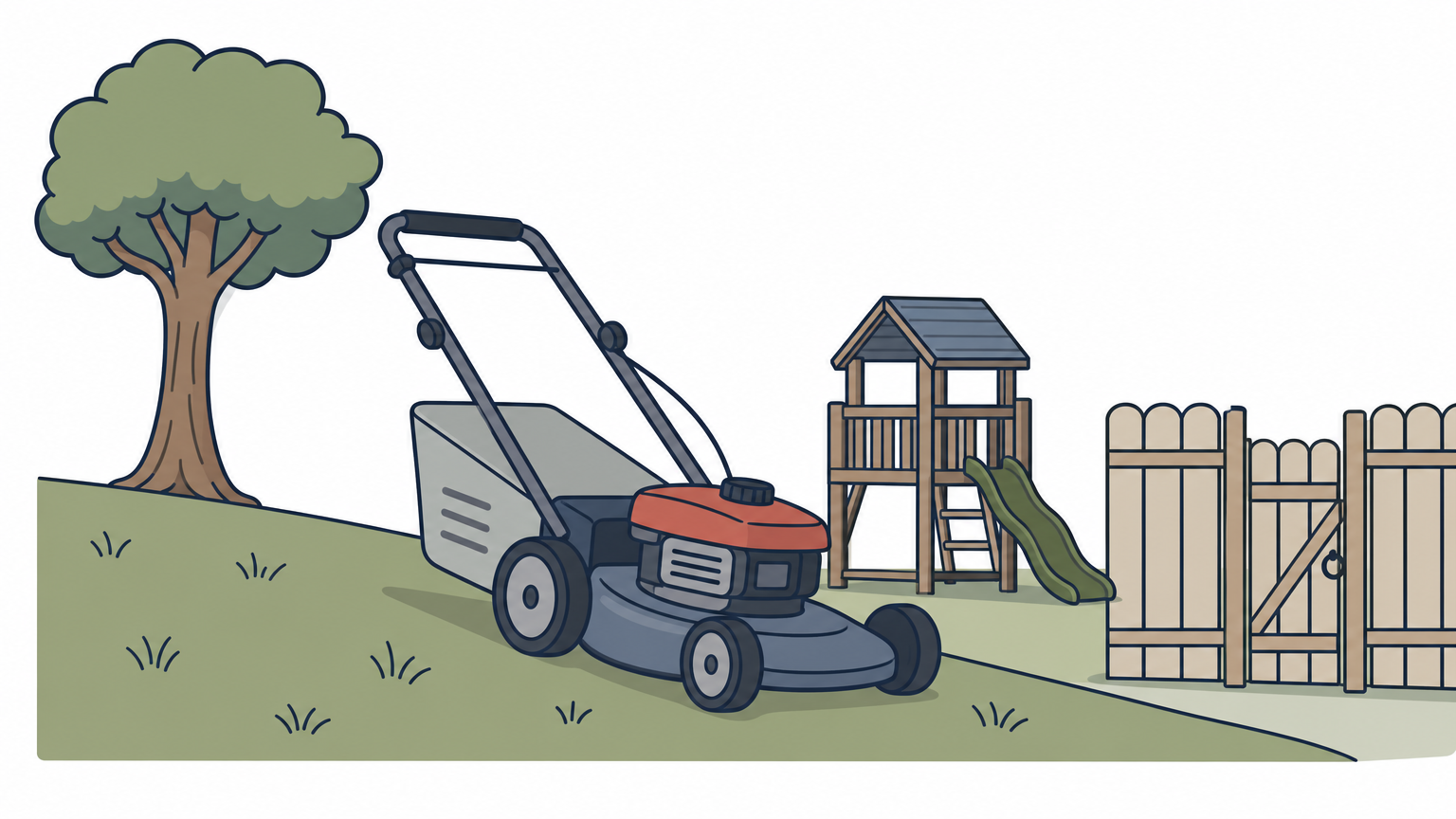
Crews price by the time and difficulty of the job. Most of these factors raise that time:
| Factor | Why it raises the price |
|---|---|
| Large mowable area | More minutes per visit |
| Slopes and hills | Slower, harder mowing with more safety risk |
| Trees, beds, play sets, fences | More trimming and tighter turns |
| Narrow gates | A smaller mower must be used |
| Tall or overgrown grass | Extra passes, or a first-cut surcharge |
| Long trim and edge lines | More hand work per visit |
A tidy open lot costs less than a cluttered one of the same size.
Grass type, frequency, and season
Midlands lawns are mostly warm-season grasses such as Bermuda, Zoysia, and Centipede. They grow fastest in summer heat, so weekly mowing is the norm from late spring through early fall. Growth slows in spring and fall, and the grass goes dormant in winter, when most homes need little or no mowing.
Frequency affects price per visit. Biweekly service costs more per cut because the grass is taller and takes longer. It can also hurt the lawn. The 1/3 rule says never remove more than a third of the blade height in one cut. Skip a week in July and you may break that rule, which weakens the turf and invites weeds.
Weekly mowing in peak season usually costs less per visit and treats the lawn better.
What a season of mowing really costs
A season of mowing costs the per-visit price times the number of visits, so a quarter-acre lawn mowed weekly runs roughly $1,200 to $1,800. Here is the arithmetic behind that figure.
A quarter-acre lawn over one season
Assume roughly April through October, or about 30 weekly visits, on an accessible quarter-acre lawn.
| Plan | Visits | Price per visit | Season total |
|---|---|---|---|
| Weekly, low end | 30 | $40 | $1,200 |
| Weekly, mid-range | 30 | $50 | $1,500 |
| Weekly, high end | 30 | $60 | $1,800 |
| Biweekly | 15 | $60 | $900 |
Biweekly looks cheaper on paper, but it can cost you in lawn health. A $10 difference per visit adds up to $300 over the season. That is the gap worth asking questions about.
Multiply the per-visit price by the number of visits, because the season total is what you actually pay.
When mowing belongs in a full lawn care plan
Mowing alone is the cheapest way to keep a lawn short, but it does not fix thin turf or weeds. Fertilization, weed control, aeration, and overseeding do that work. Buying them from one provider saves you coordination and keeps one crew responsible for the result.
Sparta Lawn Care delivers mowing as part of its lawn care and maintenance program, with the same familiar crew at each property. The team works with Bermuda, Zoysia, and Centipede grass. Our Sparta Family Guarantee means we fix any service issue at no additional cost until you are satisfied. For pricing, request a quote based on your lot instead of relying on averages.
Pay for the scope, not the lowest number
Fair mowing prices come from matching a clear scope to your lot. Expect roughly $30 to $85 per visit for a standard yard, then adjust for size, slope, obstacles, grass, and frequency. Compare season totals, confirm insurance, and ask what each visit includes.
Do those three things and you will spot a fair rate quickly. Both the overpriced quote and the suspiciously cheap one will stand out.
If you want a price built around your own property, request a mowing quote from Sparta Lawn Care and compare it with the ranges in this article.